What is this treatment?
Hair transplant moves healthy hair roots from a donor area to thinning or bald areas. A natural result depends on diagnosis, donor strength, hairline design, graft direction and long-term hair-loss control.
Real case photos & videos
These visuals are shown in full-frame as much as possible so the treatment details remain clearly visible.
Hair GFC treatment
Hair growth factor concentrate treatment snapshot.
Scalp preparation before hair transplant
Scalp-focused planning before hair restoration.
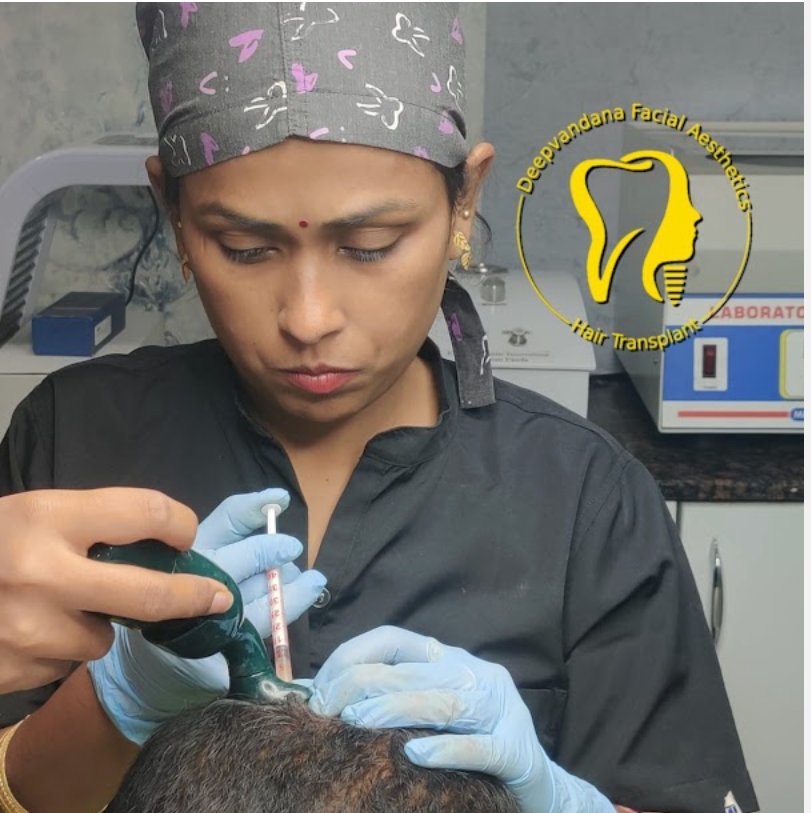
Surgical procedure glimpse
A look at specialist-led facial and scalp procedures.
Shared with patient consent. Results vary by individual and should be discussed during your consultation.
When to consider it
- Receding hairline or crown thinning
- Stable donor area
- Patients with realistic expectations
- People seeking doctor-led planning
How the care journey works
Hair and scalp review
The doctor reviews hair-loss pattern, scalp health, medical history and lifestyle triggers.
Diagnosis and planning
You understand whether medication, sessions, transplant or maintenance care is suitable.
Treatment
The selected treatment is performed with aseptic technique and clear comfort guidance.
Maintenance
Follow-up and home care help protect results over time.
Common questions
Am I a candidate for hair transplant?
Suitability depends on donor area, baldness pattern, age, medical history and expectations. The doctor will assess whether transplant, GFC/PRP or a staged plan is better.
Will the hairline look natural?
Hairline design is planned according to facial proportions, age and donor availability. The goal is a natural-looking result rather than an overly dense artificial line.
When do transplanted hairs start growing?
Initial shedding can happen before new growth starts. Visible improvement usually develops gradually over months, and the doctor will explain the timeline.